




เราเป็นองค์กรอุตสาหกรรมและการค้า
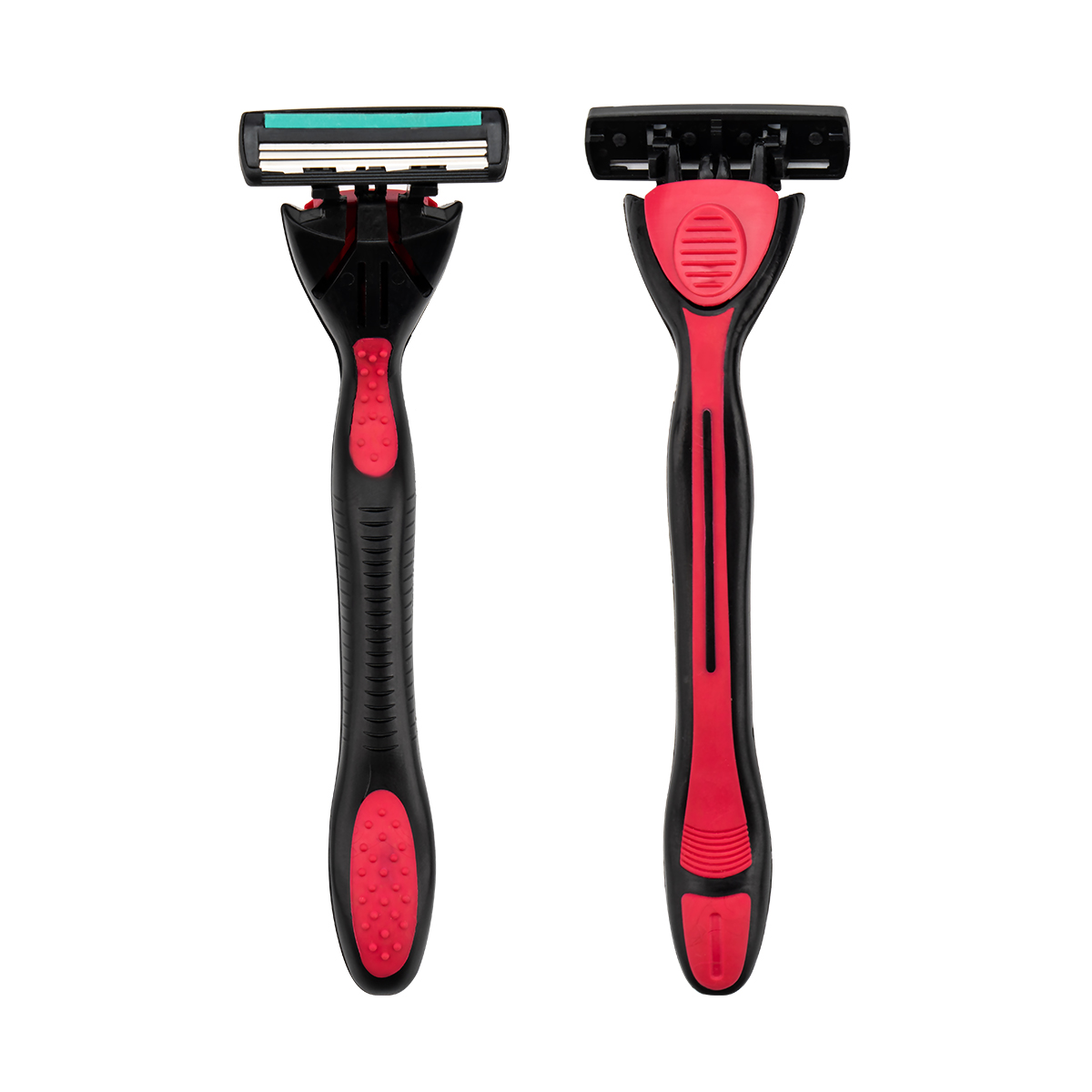
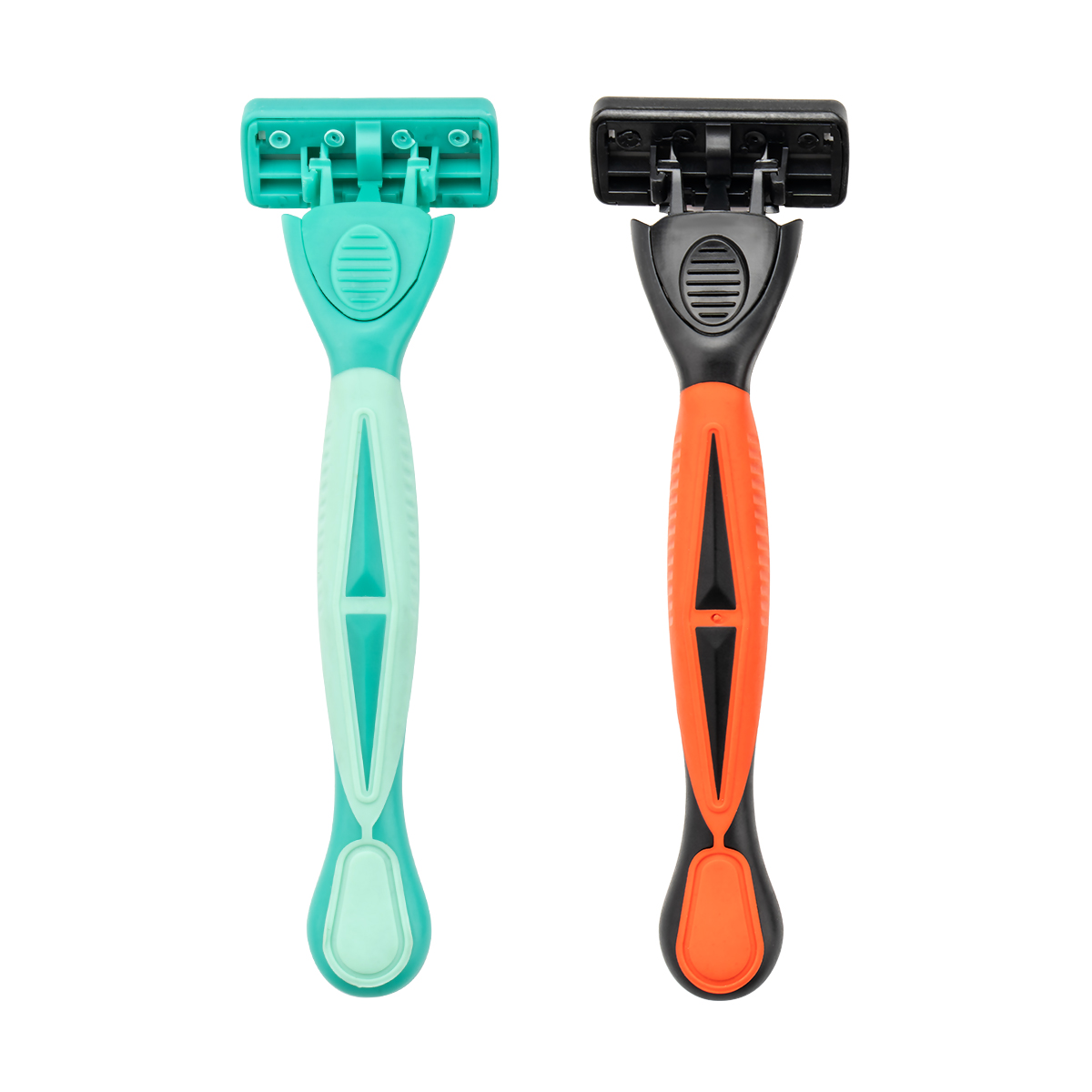
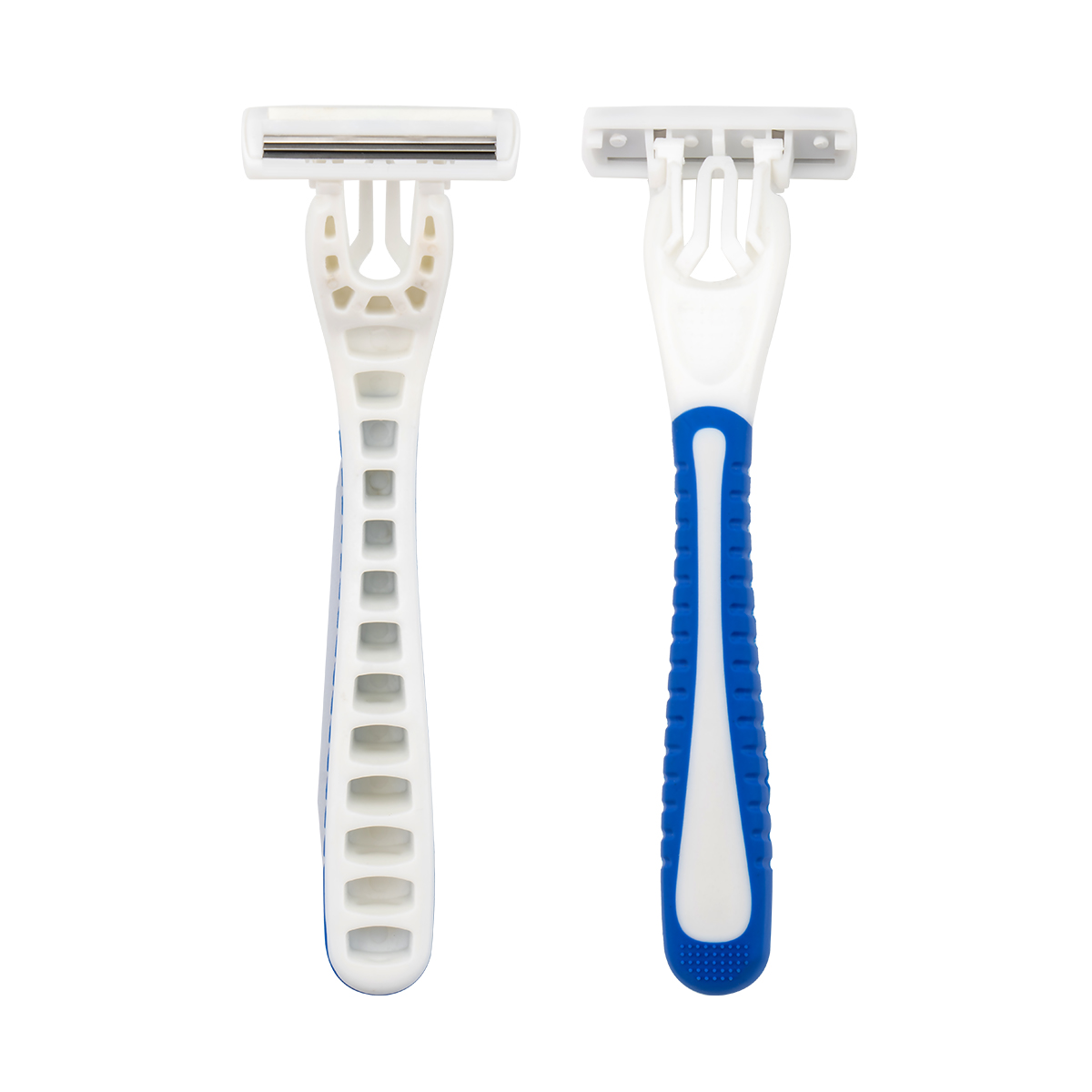
มีความเชี่ยวชาญในการผลิตมีดโกนและมีดยูทิลิตี้มานานกว่า 30 ปี

What Is a Safety Utility Knife and Is It Legal to Carry One
What Is a Safety Utility Knife and Why Does It Matter
A safety utility knife is a cutting tool specifically engineered to minimize the risk of accidental injury during everyday cutting tasks. Unlike standard blades, a safety utility knife incorporates protective mechanisms — such as automatic blade retraction, blade guards, or concealed cutting edges — that significantly reduce the chance of cuts when the knife is not actively in use.
These knives are indispensable in industries like warehousing, retail packaging, logistics, construction, and manufacturing. Workers in these environments cut open boxes, trim materials, and slice packaging dozens of times per day. Without proper blade protection, the cumulative risk of laceration injuries becomes substantial. According to the U.S. Bureau of Labor Statistics, cutting and piercing injuries account for a significant share of nonfatal workplace injuries annually — many of which involve handheld blades.
Understanding the design, legal status, and best practices surrounding the safety utility knife is not just useful knowledge — it is a matter of personal and professional safety.
Safety Utility Knife vs. Regular Utility Knife: Key Differences
One of the most frequently asked questions in this space is: What is the difference between a safety knife and a utility knife?
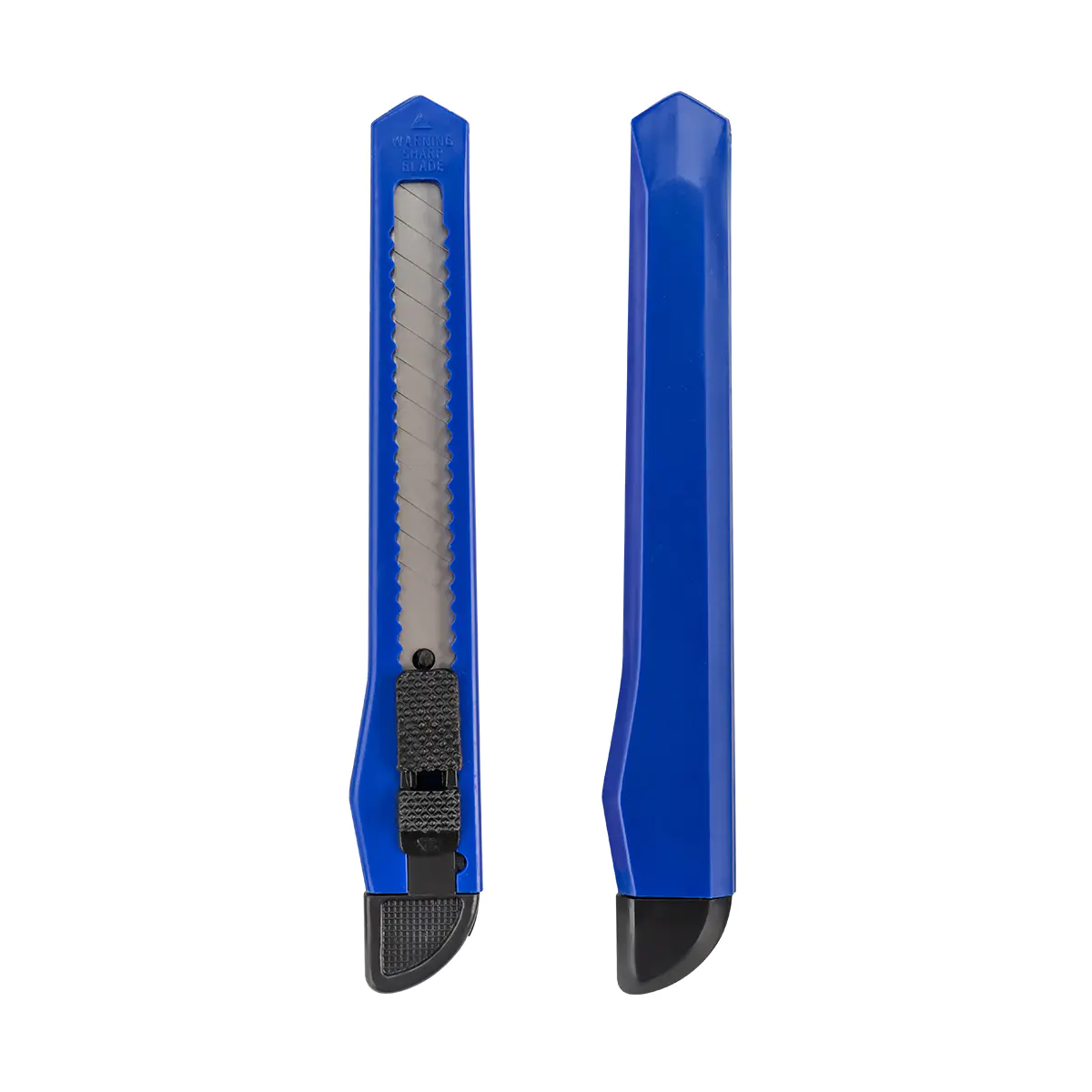
A standard utility knife — sometimes called a box cutter or razor knife — typically features a fixed or manually retractable blade that remains exposed during and after use. While effective for cutting, these knives require the user to consciously retract the blade after every cut. A momentary lapse in attention can result in serious injury.
A safety utility knife, by contrast, is built around the principle of passive protection. Key design differences include:
- Automatic blade retraction: The blade retracts into the handle the instant the user releases pressure or lifts the knife from the cutting surface. No manual action is needed.
- Blade guards and shields: Many safety models feature a protective guard that keeps the cutting edge enclosed except during active cutting.
- Concealed or recessed blades: Some safety knives use a blade that is never fully exposed, instead cutting through a small slot or channel that limits how much of the edge contacts the user's skin even in the event of a slip.
- Ergonomic grip design: Safety knives often have contoured, non-slip handles that prevent the knife from rotating or slipping in the hand.
In practical terms, a regular utility knife gives you more cutting freedom but places the full burden of safety on the user. A safety utility knife limits injury risk by design, making it far better suited for high-volume, fast-paced work environments where focus is divided.
Which Utility Knife Is the Safest to Use?
Which utility knife is the safest to use? This is arguably the most important question for anyone who works with blades regularly, whether in a professional warehouse or a home workshop.
Safety experts and occupational health professionals generally point to three categories as the gold standard:
Auto-Retractable Safety Knives
These are widely considered the safest option for general utility work. The blade automatically retracts as soon as the cutting pressure is released — meaning the blade is only exposed for the exact duration of the cut. Models featuring spring-loaded mechanisms are popular in logistics and retail environments. The trade-off is slightly reduced control during precision work, but for box-opening and packaging tasks, they are excellent.
Ceramic Blade Utility Knives
Ceramic blades are sharper out of the box and stay sharp longer than steel, which paradoxically makes them safer — a sharper blade requires less force and reduces the chance of slipping. Ceramic blades are also resistant to corrosion and do not conduct electricity. However, they are brittle and can snap under lateral pressure, making them less suitable for heavy-duty applications. For light cutting tasks such as food packaging or crafts, a ceramic-bladed safety utility knife is a top choice.
Fixed-Blade Knives with Full Blade Guards
For heavy industrial use where blade retraction mechanisms might fail or slow the worker down, a fixed-blade knife paired with a dedicated sheath or blade guard can be the safest option. The key is consistent discipline in re-sheathing after every use.
When evaluating any safety utility knife, look for these criteria:
- OSHA compliance or CE certification
- Non-slip grip materials (rubber or textured polymer)
- Blade change safety mechanisms that prevent finger contact during replacement
- Lightweight but durable construction
Is It Illegal to Carry Around a Utility Knife?
Is it illegal to carry around a utility knife? The short answer is: it depends on where you are and how you are carrying it.
In the United States, knife laws vary dramatically by state and even by municipality. Utility knives — including safety utility knives — fall into a legal gray zone in many jurisdictions. Here is a general breakdown:
Workplace Use
Carrying a utility knife for legitimate work purposes is almost universally legal in the U.S. A warehouse employee, construction worker, or retail associate carrying a box cutter on the job is protected under standard occupational norms and rarely faces legal scrutiny.
Public Carry
The situation changes when you are carrying a utility knife outside of a work context. Most U.S. states have laws governing the carry of "dangerous weapons," and a utility knife with a blade over a certain length (often 2.5 to 3 inches) may require it to be carried in a closed or concealed manner, or may be prohibited in certain public spaces entirely.
Key rules to know:
- Schools and government buildings: Carrying any bladed tool, including a safety utility knife, into schools, courthouses, or federal buildings is illegal across all states.
- Concealed vs. open carry: Some states permit open carry of utility knives but prohibit concealed carry without a permit.
- Intent matters: Even where carry is technically legal, law enforcement may consider "intent to use as a weapon" as grounds for charges.
If you routinely carry a safety utility knife for work, keep it in a tool belt, work bag, or sheath — not loose in a pocket — and be prepared to explain its professional purpose if asked.
What Is the Most Illegal Knife in the US?
Understanding the legal boundaries of the safety utility knife also requires knowing what sits at the other end of the legal spectrum. What is the most illegal knife in the US?
While no single knife is banned in every state, the following are the most widely prohibited or heavily restricted:
- Switchblades (automatic knives): These blades open automatically with a button or switch. Federal law under the Switchblade Knife Act of 1958 restricts interstate commerce of switchblades, and many states outright ban civilian ownership or carry.
- Ballistic knives: These spring-loaded knives can launch the blade as a projectile. They are federally prohibited for civilian possession or sale under the Ballistic Knife Prohibition Act of 1986.
- Gravity knives: Blades that open by the force of gravity or a flick of the wrist. New York historically had some of the strictest laws against gravity knives, though this was amended in 2019.
- Disguised knives: Blades hidden inside everyday objects (belt buckles, pens, lipstick containers) are illegal in many states due to their deceptive nature.
- Dirks and daggers: Double-edged blades designed purely for stabbing are restricted or banned in several states.
By contrast, a safety utility knife — with its work-oriented design, protective mechanisms, and non-threatening profile — sits firmly in the legal category in virtually every U.S. state. Its intended use is clearly industrial or domestic, not aggressive. This makes it one of the most legally uncontroversial cutting tools you can own or carry for work.
How to Choose and Use a Safety Utility Knife Correctly
Selecting the right safety utility knife comes down to matching the tool to the task. Here is a practical checklist:
Choosing the Right Knife
- Cutting volume: If you are cutting dozens of boxes per day, prioritize an auto-retractable model to reduce fatigue and risk over long shifts.
- Material type: For thick cardboard and strapping tape, choose a metal-bladed safety knife. For food packaging or thin film, ceramic is ideal.
- Blade replacement ease: Choose models where blade replacement does not require finger contact with the edge — look for tool-free or cassette-style blade changes.
- Handle fit: The knife should sit comfortably in your dominant hand without requiring a tight grip. An ergonomic design reduces repetitive strain.
Using Your Knife Safely
- Always cut away from your body, never toward yourself.
- Keep the non-cutting hand well clear of the blade's path.
- Replace dull blades promptly — a blade that requires extra pressure is more dangerous, not less.
- Store the knife in a designated pouch or holder, never loose in a toolbox where hands may reach in blindly.
OSHA and Workplace Standards
The Occupational Safety and Health Administration (OSHA) does not mandate a specific knife design but does require employers to provide tools that minimize hazard exposure. Many safety officers now specify auto-retractable safety utility knives as standard issue for packing and fulfillment teams, citing measurable reductions in laceration-related incidents.
FAQ: Everything You Need to Know About Safety Utility Knives
Q: Can a utility knife go through airport security?
No. All knives, including safety utility knives, are prohibited in carry-on luggage by the TSA. They may be transported in checked baggage if properly sheathed or wrapped.
Q: How long do utility knife blades last?
This varies by material and usage intensity. Steel blades used for heavy daily cutting may need replacing every few days to a week. Ceramic blades can last several weeks for light tasks before losing their edge.
Q: Are ceramic blades safer than metal blades?
In terms of cutting performance and corrosion resistance, yes — ceramic blades stay sharper longer, which reduces the force needed and lowers slip risk. However, they are brittle and can shatter under flex or impact, which can itself be a hazard in certain environments.
Q: What industries use safety utility knives the most?
The highest adoption is in warehousing, e-commerce fulfillment, retail stockrooms, food processing, construction, and healthcare packaging. These industries prioritize safety utility knives to reduce workers' compensation claims related to lacerations.
Q: Can minors legally use or carry a utility knife?
For supervised use in craft, school, or vocational settings, minors can typically use utility knives with permission. However, minors carrying utility knives in public — especially near schools — may face legal consequences. Most states have specific provisions restricting minors from carrying any bladed tool in public spaces.
Q: How do I dispose of used utility knife blades safely?
Never place loose blades directly in a trash bin. Use a dedicated blade disposal container (often a small plastic case that comes with the knife), or wrap the blade tightly in several layers of tape before disposal. Many safety-focused facilities have a formal blade disposal protocol.
Q: Is a box cutter the same as a utility knife?
They are closely related and the terms are often used interchangeably. Technically, a box cutter is a subset of utility knife — typically a simpler, thinner design with a snap-off blade, optimized specifically for opening cardboard boxes. A utility knife is a broader category that includes more robust designs for cutting a wider range of materials.
ข่าวที่แนะนำ

ติดต่อกัน
 เลขที่ 2-2, ถนน Oufu, เมือง Zhangting, เมือง Yuyao, Ningbo City, Zhejiang, China
 +86-574-87560886/87560055
 +86-574-87560885
Copyright © Ningbo Chuangxin Cutting-Tool Manufacture Co., Ltd.
